Bonus Episode: Bluete
English language below
English language below
Esenija Bannan and Charlotte Desaga discuss Selma Selman’s paintings, performances and material language, from portraits on scrapyard metal to Mercedes Matrix and Dirt 0. The conversation follows questions of value, Roma history, visible and overlooked labour, and the ways art changes context without erasing material memory. As Selman puts it: “Transformation is at the core of my practice: scrap metal into gold, stigmatized labour into prestigious labour, incapacity into invention.”
This dialogue examines Kubra Khademi’s inversion of Forugh Farrokhzad’s feminist poem in Let us believe in the beginning of the hot season, a project combining gouache drawings, photo collages, and film. Esenija Bannan and Charlotte Desaga discuss the work’s allegory of US–Afghanistan relations, its pandemic collaboration with Daniel Pettrow, and the tension between biography, trauma, context, and artistic execution. They also consider Khademi’s 18kg performance and her contribution to WIR at the German Bundestag.
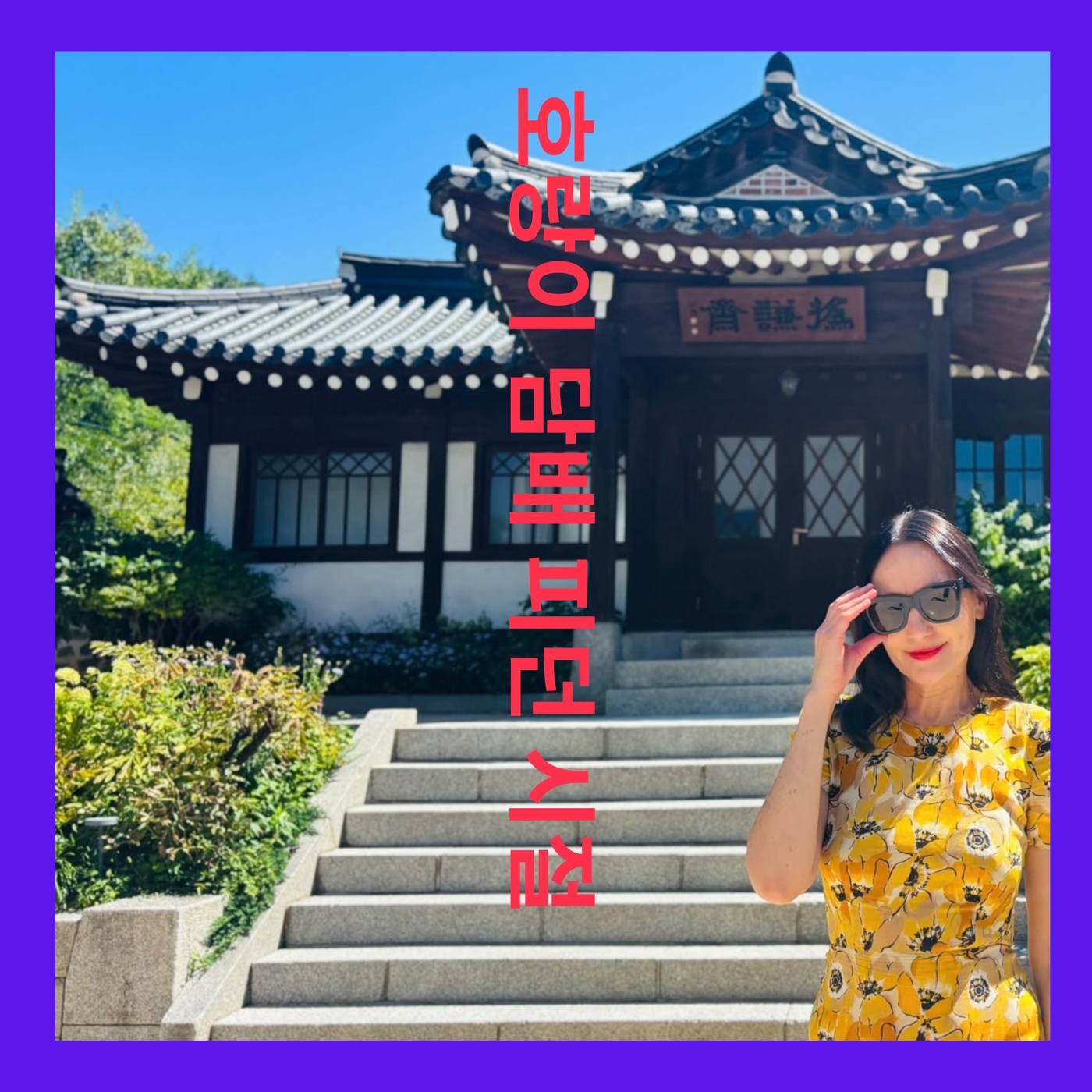
In this solo Art Unquoted Note, Esenija Bannan reflects on her first visit to Seoul, beginning with JeeMin Kim’s Prototype Temples at Hwigyumjae and moving through Frieze Seoul and the city beyond the fair. Kim’s installations bring painting, sound, movement and fragments of memory into temporary worlds. Bannan considers how places shape attention—and how an art scene is made through different speeds, spaces and forms of encounter.
In this dialogue, Charlotte Desaga and Esenija Bannan consider Agnes Martin’s statement, “I paint with my back to the world.” They discuss her turn away from representation, the emotional force of hand-drawn grids and imperfect lines, and the New Mexico works titled With My Back to the World. The conversation asks how Martin’s paintings bring a private, non-visible kind of beauty into view without explaining or justifying it.
Charlotte Desaga and Esenija Bannan discuss Jordan Wolfson’s animatronics, robotics and virtual-reality works, focusing on Little Room at Fondation Beyeler. Wolfson says, “I stuff the intuitive inside of the practical.” The conversation follows that tension through Goethe’s idea of intuition, the uncanny body, internet culture and technological aesthetics, asking whether machines can express desire, vulnerability and the mystery of being human.
Charlotte Desaga and Esenija Bannan revisit Rebecca Horn’s statement, “There are energies that grab us from out there, pass through us, and then find their way elsewhere.” They discuss how Horn gave energy mechanical form through trembling machines, used objects, feathers, eggshells, films, and precise movements. The conversation considers melancholy, bodily sensitivity, the relation between body and machine, and the openness of letting forces move through us.
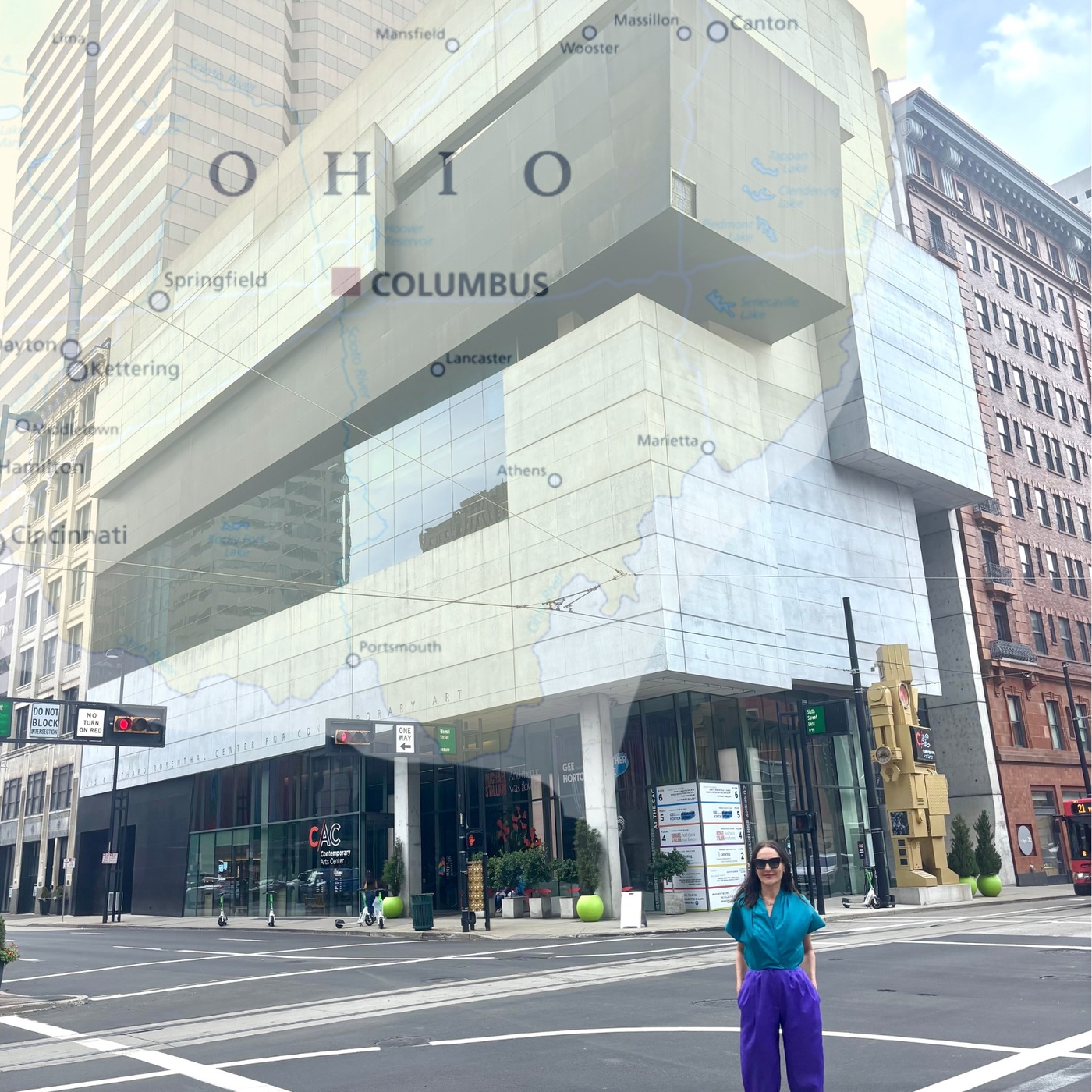
Esenija Bannan considers what makes a place cinematic through the architecture and landscapes of Ohio. Moving from Columbus’s modernist landmarks to Hamilton’s brick warehouses and Victorian storefronts, she reflects on buildings that endure without demanding attention. Kelly Reichardt’s The Mastermind, set in Hamilton, becomes a lens for thinking about stillness, loneliness, memory, and the quiet act of truly seeing.
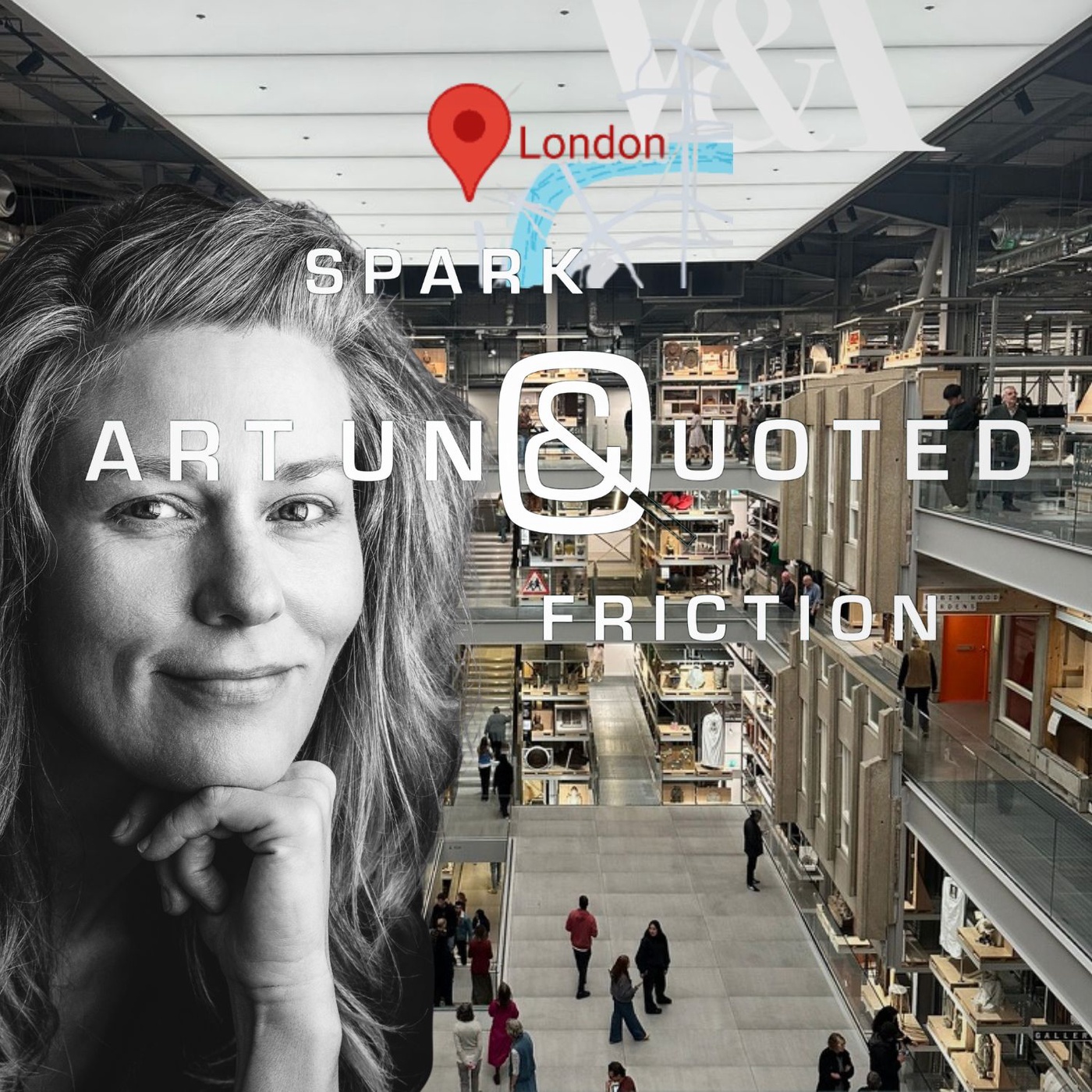
Charlotte Desaga visits the V&A East Storehouse in London, a museum model that places a quarter million objects within public reach. Using three objects from the Rhineland—a Roman glass jar, Byzantine silk, and a seventeenth-century stained-glass panel—she considers what is gained when visitors become curators. The Storehouse’s radical openness, she asks, may democratize access while also echoing the logic of a digital marketplace. What happens to surprise, challenge, and discovery when curation gives way to choice?
Charlotte Desaga and Esenija Bannan discuss Cornelia Parker’s transformation of everyday objects through destruction. From Thirty Pieces of Silver and Cold Dark Matter: An Exploded View to The Maybe and Pornographic Drawings, they consider beauty, violence, psychoanalysis, the uncanny and the viewer’s gaze. Parker’s works turn crushing, explosions and dissolved videotape into new physical and psychological associations.